
Trusting Your Plumber
What to check before you hire a plumber: license and insurance, how they communicate, and how they stand behind the work.
Published
Updated
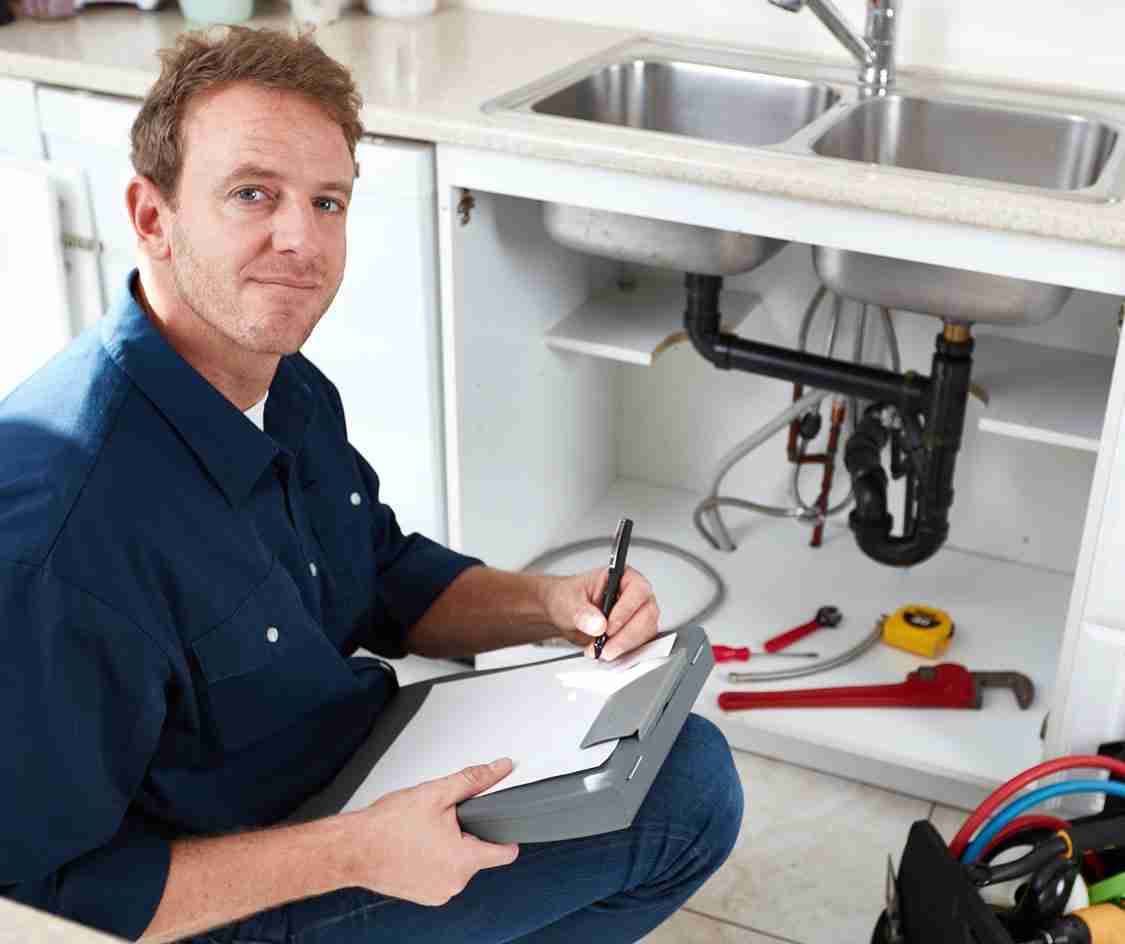
A good plumber fixes the problem, explains it in plain terms, shows up when promised, and comes back if something is still wrong.
What earns trust
License and insurance
Florida licenses plumbing contractors through the Department of Business and Professional Regulation (DBPR). Ask for the license number and proof of insurance, and look the license up at myfloridalicense.com. Beach to Bayou Plumbing's license number is CFC1432497.
Clear communication
The plumber should listen to the symptoms, answer questions, explain the proposed work in plain language, and discuss pricing and likely complications before proceeding.
Reliability
Ask how appointments are set and how you will hear about a change in the schedule.
Quality workmanship
Look for someone who finds the cause before replacing parts, uses materials that suit what is already there, and leaves the area clean.
Follow-through
Ask how completed work is documented and what to do if the same concern returns. Clear warranty or service terms help set expectations on both sides.
Questions worth asking
Before approving work, ask what the plumber found, which options are available, what each option includes, and whether another trade or permit is involved. For larger projects, written scope and pricing reduce uncertainty.
Good communication should continue through the job. If something changes after work starts, the plumber should explain it and get your approval before doing more.
A long-term service relationship
Keeping records of repairs, materials, equipment, and recurring concerns makes future diagnosis easier. A plumber who knows the property can use that history, as long as every visit is held to the same standard.
Ask these questions before the first job, and keep the answers with your house records.