
Gas Safety at Home
What to do if you smell gas, which warning signs to watch for, and why gas lines and appliances need a regular check by someone licensed for gas work.
Published
Updated
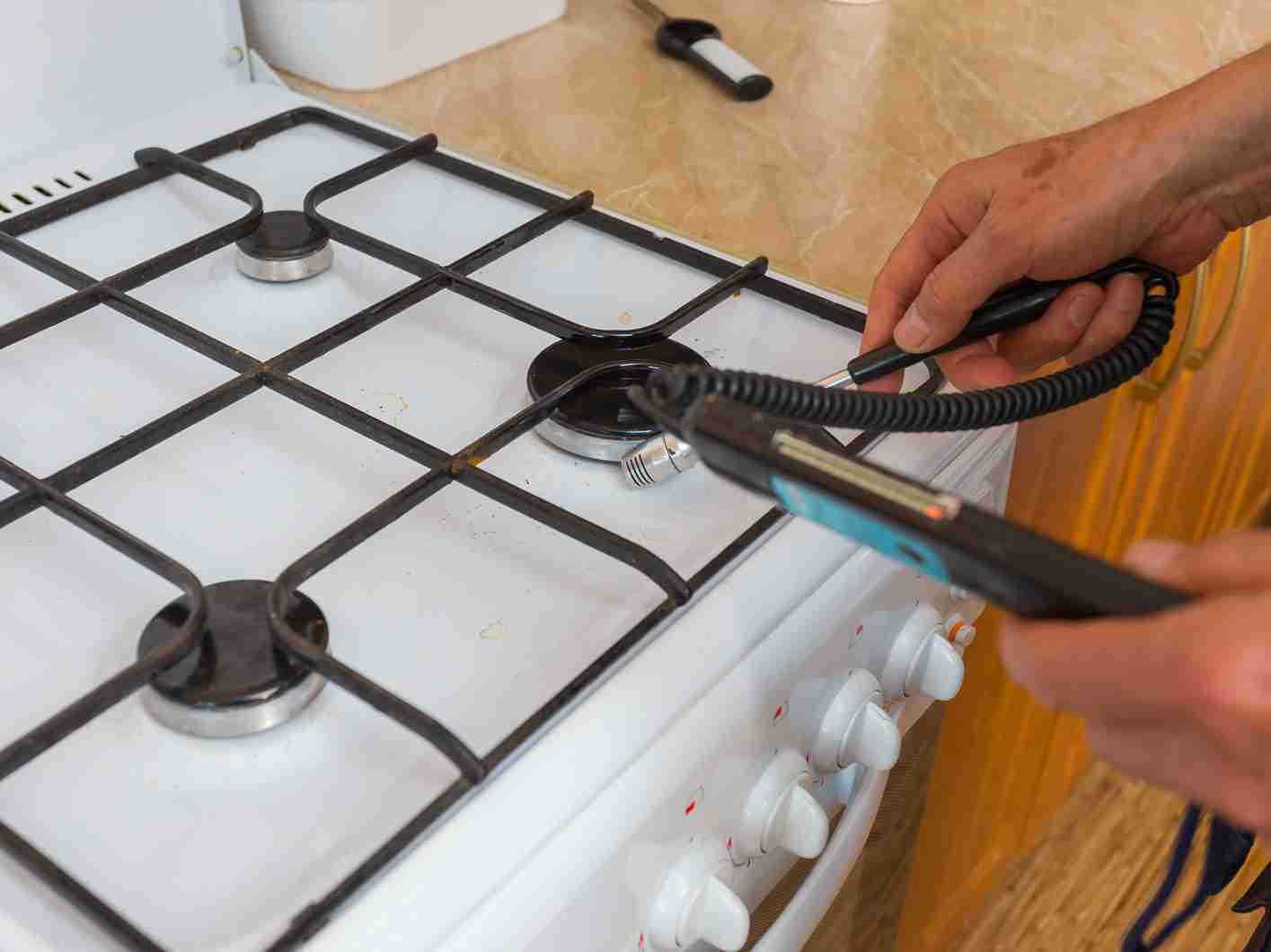
Gas water heaters, ranges, dryers, and fireplaces can leak a little or vent badly and still seem to work fine. A check by someone trained for gas work finds what everyday use does not show.
Why a gas check matters
A gas check looks for leaks, poor combustion, blocked or damaged vents, and faulty appliances. Finding a problem early lowers the risk of a fire, carbon monoxide exposure, or an appliance failing.
An appliance that seems to run fine can still need service. Follow the maintenance schedule in the manufacturer's manual and your technician's advice.
Hire someone licensed for gas work
Gas work takes training and the right test equipment. Ask whether the person doing the check is licensed and insured for gas work, and have them explain what they find.
Before work starts, ask what will be checked, what testing is included, and how any repairs they recommend will be written up.
What a gas check may cover
Piping and connections
The check may include visible gas piping, valves, the outdoor regulator, appliance connections, and a leak test. Outdoor piping and regulators corrode faster in salt air near the Gulf.
Appliance operation
Controls, ignition, and burners may be checked to make sure they run safely and steadily.
Vents and exhaust
Vents, flues, and chimneys may be checked to make sure combustion gases leave the house.
What they find
Anything found should be explained, with the next step, before the appliance goes back into use.
Between checks
Watch for a rotten-egg smell, hissing, soot marks, a burner flame that looks different than usual, or damage around gas equipment. Do not ignore a change just because the appliance still turns on.
Carbon monoxide has no smell, so an alarm is often the only warning. If one goes off, or people feel dizzy, sick, or headachy near a gas appliance, get everyone out, call 911 from outside, and stay out until responders say it is safe. Alarms do not replace servicing the appliance; install, test, and replace them as the maker's instructions say.
If a gas appliance starts acting differently, have it looked at soon. A gas smell or a carbon monoxide alarm means get out first and make the calls from outside.