
What Is Power Flushing?
Power flushing cleans boiler and radiator heating, which few Florida homes have. What does apply here is flushing or descaling the water heater.
Published
Updated
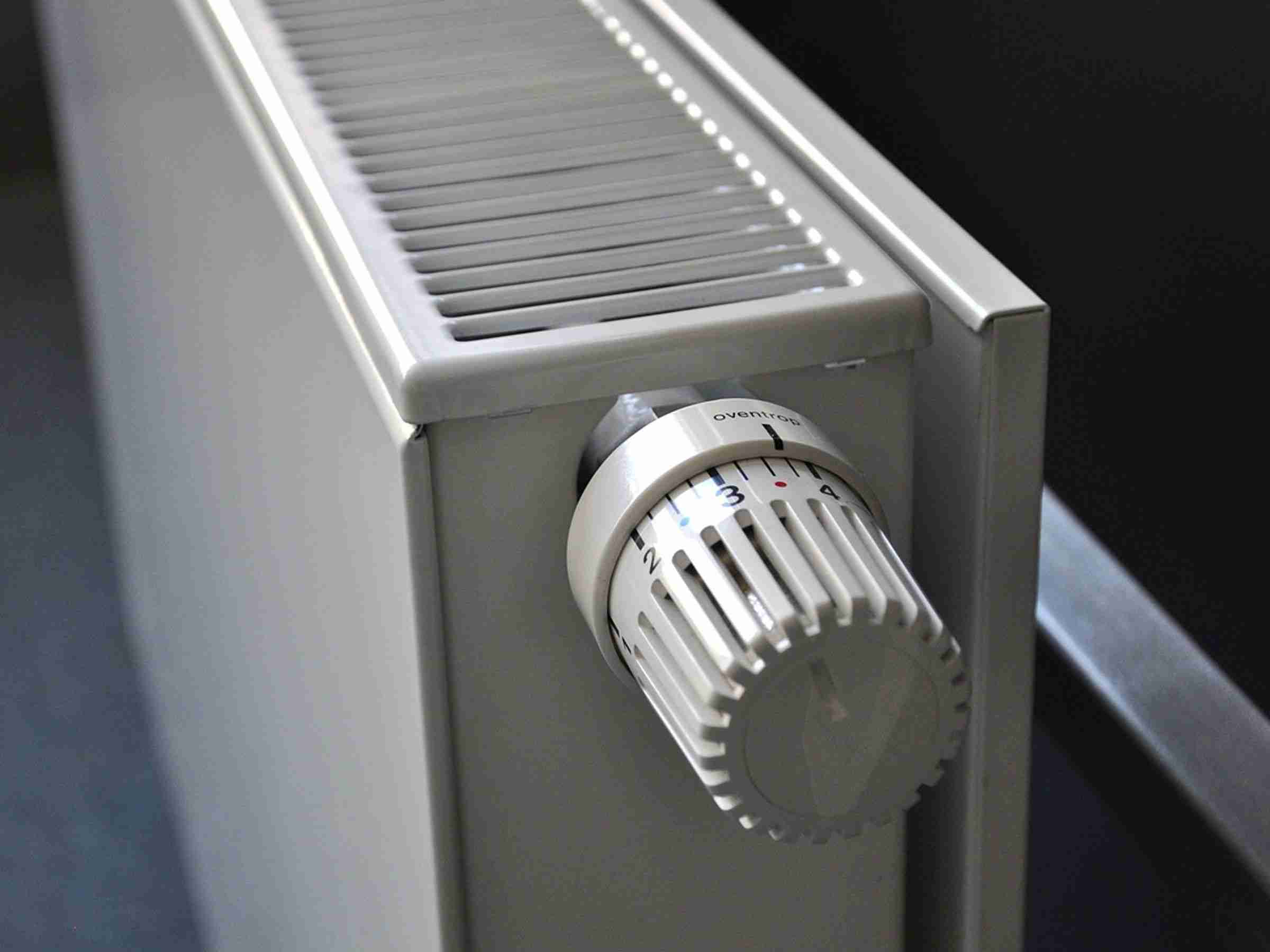
Power flushing cleans out a hot-water heating system, the kind where a boiler pumps heated water through radiators, baseboard heaters, or tubing in the floor. A flush pushes water and a cleaning solution through the loop to carry out the sludge and rust that build up inside.
What a power flush is for
Sludge and rust collect inside a boiler system over time. The signs are radiators with cold spots, noisy pipes, and a circulation pump that works harder than it should. Those signs can have more than one cause, so a flush should follow a diagnosis rather than replace it.
Flushing a tank water heater
Minerals in the water settle to the bottom of a tank water heater as sediment. A thick layer can make the tank pop or rumble while it heats, slow its recovery, and cut the amount of hot water you get.
Flushing drains that sediment out of the tank. The owner's manual gives the steps and the schedule for your heater, and the order matters: the water inside can scald, and an electric tank switched back on before it has refilled can burn out its heating elements.
Descaling a tankless water heater
A tankless heater has no tank for sediment to settle in. Scale builds up inside its heat exchanger instead, and the signs are water that swings between hot and cold, weaker hot water flow, a scale-related error code, or a unit that shuts itself off.
Descaling is the tankless version of a flush: a descaling solution runs through the heat exchanger to dissolve the scale and is then rinsed out. The manufacturer's manual gives the steps and the schedule for your model. A unit installed without service valves usually needs them added before it can be descaled.
When to call
Temperature swings, weaker hot water flow, an error code, water around the heater, or a tank that pops are good reasons to have it looked at. The same signs can come from a failed part, a gas supply or venting problem, or a bad sensor, and a flush will not fix those.
The owner's manual gives the flushing or descaling schedule for your heater. If the manual is gone, the model number on the heater's label is enough to look it up.